








Are you a Hawaii resident going through a rough time financially? We can help provide relief from your debt. Our professional bankruptcy attorneys offer legal solutions designed to help you start over. Whether you have made the decision to file for Chapter 7 or Chapter 13 bankruptcy, Blake Goodman can help settle your debts and secure a life of freedom after bankruptcy. You can turn things around for the better, it’s just a matter of contacting us.
We understand that every situation is different and that lenders have different policies. If your financial problems are putting your family's wellbeing, your business, your credit score, or your reputation in jeopardy, now is the time to seek out the advice of an experienced bankruptcy attorney in Hawaii.
Hawaii Bankruptcy Attorney
With More than 8000 Happy Clients Served, Blake Goodman, PC is the Largest Bankruptcy Filer in Hawaii
Four Convenient Locations to Serve You - Honolulu, Aiea, Kaneohe, Maui
Contact Us
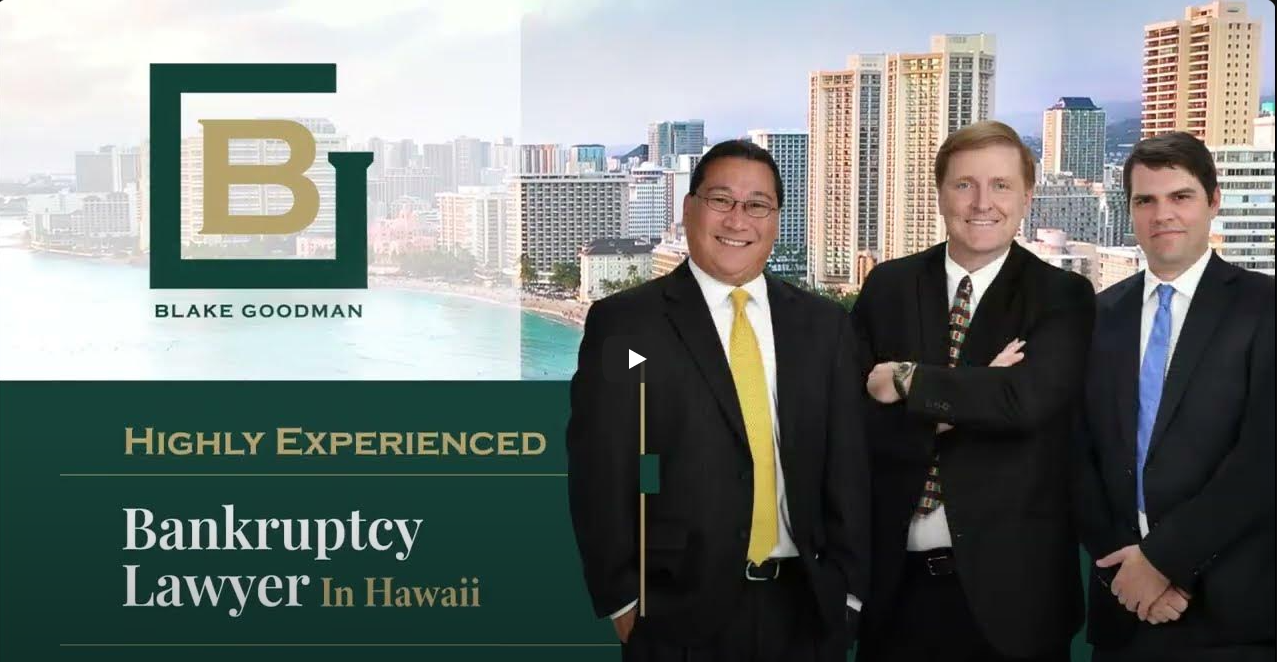
Blake Goodman, PC, Attorney
Video Center
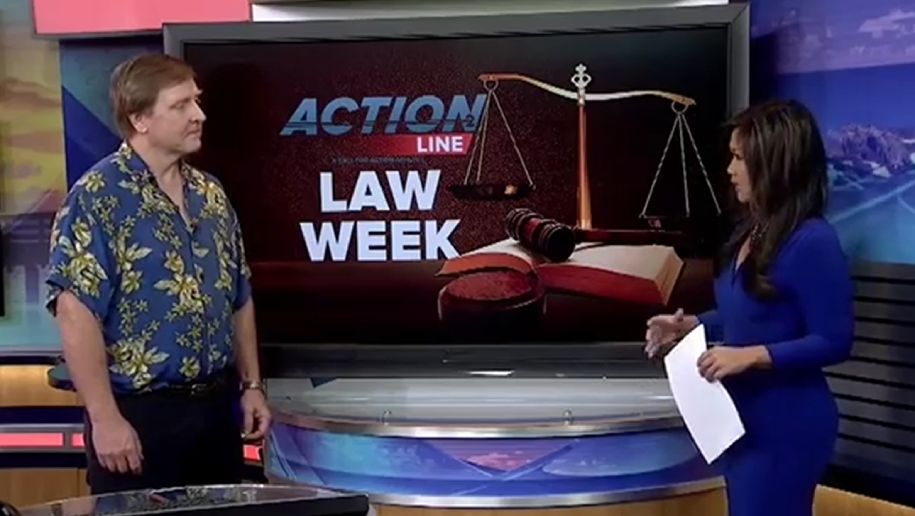
Living Debt Free in Hawaii
An Experienced Bankruptcy Lawyer in Hawaii Can Help You
We’ve helped thousands of Hawaiian families just like you get back on their feet. If you are considering bankruptcy, having an experienced Hawaii bankruptcy attorney will make the process easier and more productive. If you’re concerned about affording an attorney, consider this: 90% of our clients pay a flat, fixed fee and you have our exclusive satisfaction guarantee. We only accept fees from satisfied clients.
Your choices aren’t always clear — Must you pay all your debt, or only a portion? Should you pay everything now, or over the course of a plan? Should you declare bankruptcy, or negotiate with your creditors instead? Are your bills or your taxes the most pressing problem?
CONTACT US
Your choices aren’t always clear — Must you pay all your debt, or only a portion? Should you pay everything now, or over the course of a plan? Should you declare bankruptcy, or negotiate with your creditors instead? Are your bills or your taxes the most pressing problem?
Contact Us Today
Contact us online to speak with a bankruptcy lawyer in Honolulu, HI at the Blake Goodman, PC, Attorney to discuss the options that can best help you achieve a fresh start.
Contact Us
Trying to handle a bankruptcy on your own can draw out the process, putting you at risk of losing your house or wages, dragging you through more creditors’ reviews than you deserve, and costing you even more money. As Honolulu, HI bankruptcy lawyers, we can help you solve your financial burden, reduce your stress, and position you to repair your credit and get on with your life. We’ve dedicated over 20 years of our professional life to helping people get out of debt. In addition to offering Chapter 7 bankruptcy and Chapter 13 bankruptcy, we also assist people with debt settlement and tax resolution. In addition to Hawaii civilians struggling with debt, we regularly assist military personnel and offer candid advice regarding bankruptcy and security clearances. Whether you’re struggling with a mortgage, car payment, credit card debt, medical bills, back income taxes, or student loans, your next move could dig the hole deeper or start the process of repair. There’s no need to suffer the unknown — contact us today and start getting your life back.
We’ll talk through your options. The consultation is free. Most of my clients pay a fixed, reasonable fee for my service. And I guarantee you’ll find a solution with my help.
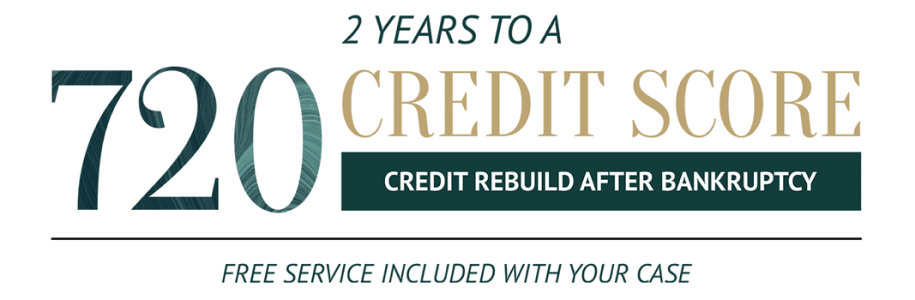
2 Years to a 720 Credit Score
Free Credit Rebuild After Bankruptcy
Going through bankruptcy can be difficult, but not when you have us on your side. We offer our clients a true clean slate after filing by assisting with rebuilding their credit over time.
Get in Touch with Us Today

About Our Firm
Learn more about our firm origins and the team that's waiting to help you at Blake Goodman, PC, Attorney.
Meet Our Team
Bankruptcy Questionnaire
Get started with getting your fresh start. Fill out our bankruptcy questionnaire to help us gather key information about your case.
GET STARTED
Our Office Locations
We aim to be as accessible to our clients as possible. With three locations in Oahu and one in Maui, we can meet you halfway.
come visit us


What Makes
Blake Goodman, PC, Attorney Different?
We perform all 4 of the core debt relief services. You can depend on us to help you sort out your financial options and make smart choices.
The 4 core services for debt relief are:
- Chapter 7 Bankruptcy
- Chapter 13 Bankruptcy
- Debt Negotiation/Settlement
- Tax Resolution and Intervention
We can steer you toward the solution that gets you out of debt with the least amount of trouble and cost because our lead attorney is not only a Honolulu bankruptcy lawyer, but also a former, inactive, and unlicensed certified public accountant (CPA) from the State of Maryland. We can make sense of your overall financial picture and put your expenses in their best light, should you need to defend them.
Our office combines the benefits of a large, experienced staff with the feeling of family. We have several attorneys and paralegals to serve you. Our goal is to provide professional, caring, and personal attention to each and every one of our clients.
We have over 54 years of combined experience. Blake Goodman, lead attorney, received his law degree from George Washington University in Washington, D.C. in 1989 and has been exclusively practicing bankruptcy and bankruptcy related law in Texas, New Mexico, and Hawaii ever since. Additionally, although former, inactive, and unlicensed today, he received his Certificate of Public Accountancy from the State of Maryland in 1988. He is fluent in Spanish.
We offer flexible payment options. We understand that for most of our clients, paying the full fee upfront can be difficult. With as little as $100, you can retain our services and we can answer any questions you may have. Additionally, we can start taking those irritating creditor calls for you. In the meantime, payments can be made, and once your fee is paid in full, we can move forward with your fresh start.
We have several convenient locations to better serve you. To better serve our Oahu clients, we have offices located in Honolulu and Kaneohe, and a new office in Pearlridge. Our Honolulu office is open 8:30 am-5:00 pm, Monday-Friday. Our other locations are not staffed and are available by appointment only. If you wish to drop off paperwork or payment, please do so at our Honolulu location.
Frequently Asked Questions on Bankruptcy
Check Out Our Blog For More Information
What is bankruptcy?
How much debt is enough to file for bankruptcy?
What types of bankruptcy are there?
How does bankruptcy work?
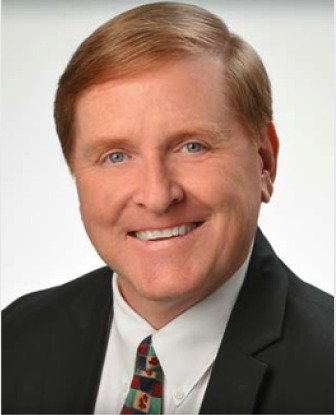
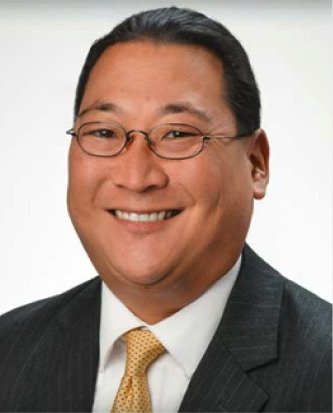
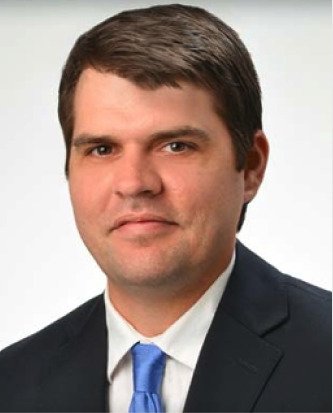
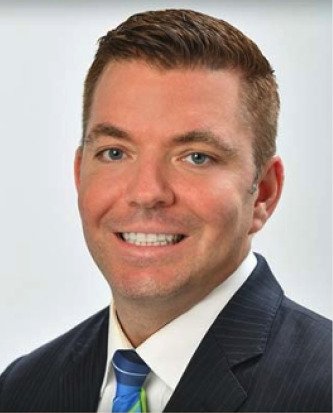
Meet Our Legal Team
Stay in the Know
Bankruptcy Blog